Definition
Globalization is the process by which economies, societies and governments around the world become more connected through flows of trade, money, people and ideas. It means decisions made in one country increasingly shape prices, jobs and daily life in other countries.
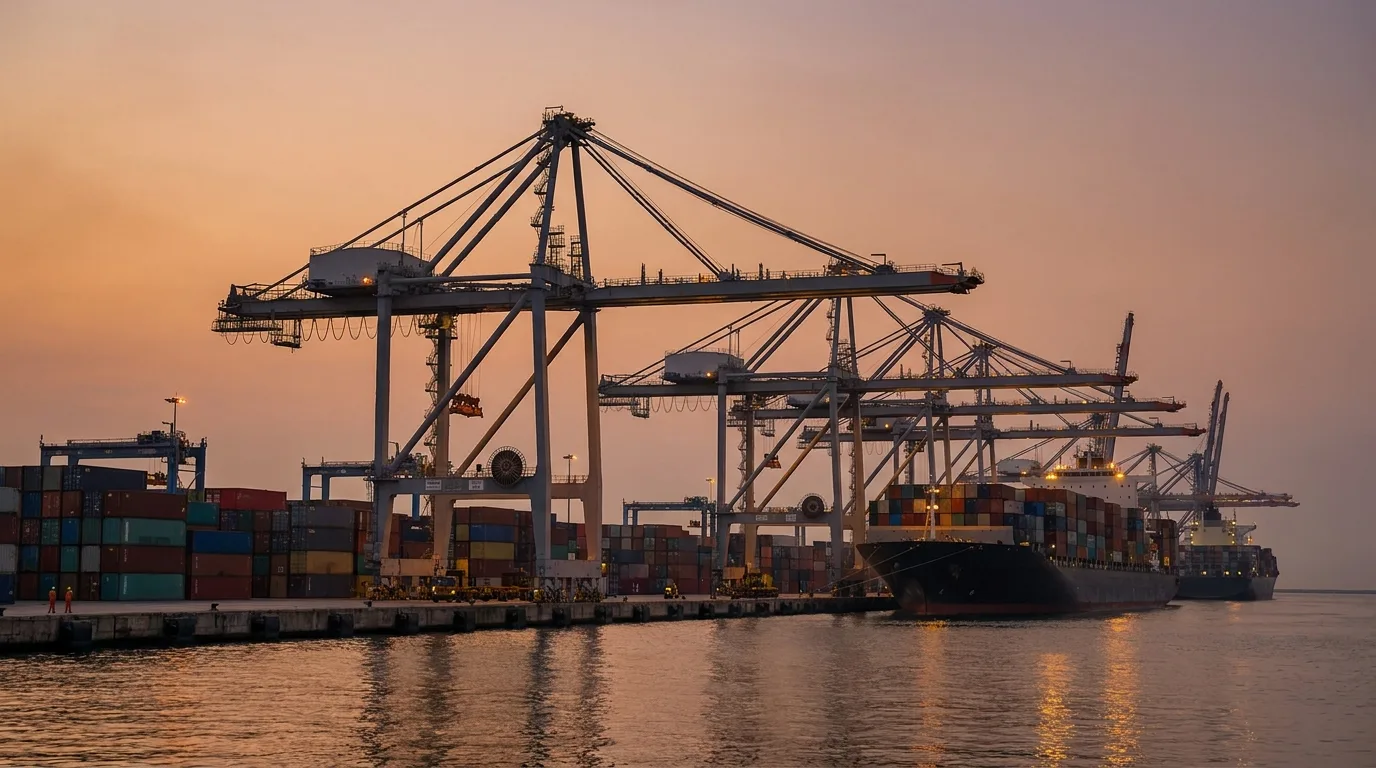
Globalization is the process by which economies, societies and governments around the world become more connected through flows of trade, money, people and ideas. In plain terms, it describes how decisions made in one country increasingly shape prices, jobs and daily life in other countries.
The word is often used as if it meant only free trade. Economists, sociologists and political scientists treat it as a bundle of related processes that do not have to move together. Trade can stall while data flows keep growing, and migration can rise while capital flows fall.
Where the idea comes from
Long-distance exchange is ancient, from the Silk Road to the spice trade. Economic historians usually date modern globalization to the late 19th century, when steamships, railways, the telegraph and the gold standard tied the world economy together. John Maynard Keynes later described a Londoner of that era who could order products from across the earth by telephone over morning tea.
Two world wars and the Great Depression reversed much of that integration. After the Second World War, the Bretton Woods conference created the International Monetary Fund and the World Bank, and the General Agreement on Tariffs and Trade (GATT) began cutting tariffs round by round.
The term itself spread in the 1980s. Theodore Levitt’s 1983 Harvard Business Review essay “The Globalization of Markets” helped make it a business word. The end of the Cold War, the founding of the World Trade Organization in 1995 and China’s entry into the WTO in 2001 then opened what some economists call the “hyperglobalization” era.
Seven dimensions of globalization
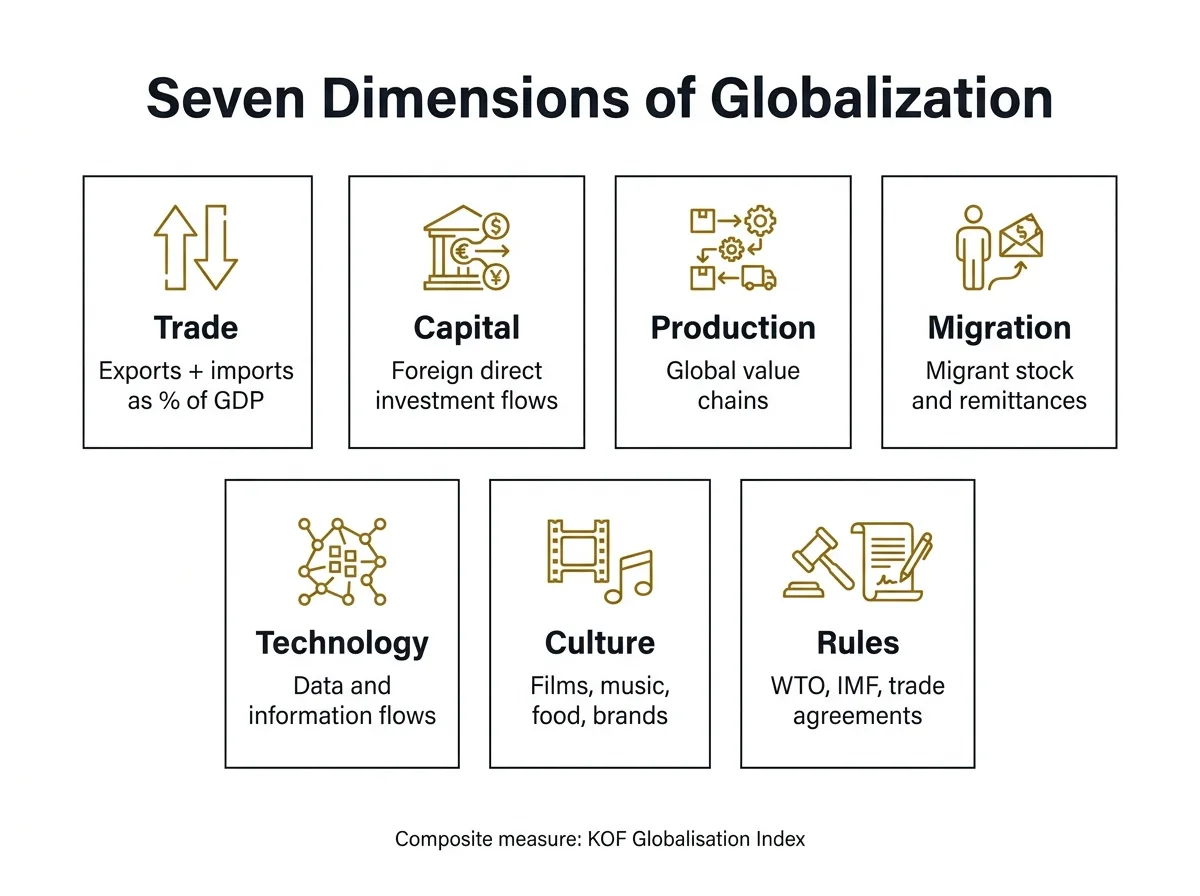
Scholars rarely agree on one list, but most frameworks cover similar ground. The Peterson Institute for International Economics, for example, treats trade and investment, migration and technology as separate threads. The seven dimensions below each come with the kind of evidence used to track them.
1. Trade in goods and services
Trade is the clearest dimension. According to World Bank data on trade as a share of GDP, world exports plus imports rose from about 26 percent of global output in 1972 to about 60 percent in 2008. The ratio has moved sideways since then and stood near 57 percent in 2024. That plateau is the main evidence behind talk of “slowbalization.”
2. Capital and foreign direct investment
Money crosses borders as loans, portfolio investment and foreign direct investment (FDI), when a firm builds or buys operations abroad. UNCTAD’s annual World Investment Report tracks FDI flows, which have run above a trillion dollars a year in recent years. Financial integration brings investment to capital-poor countries, but it also lets crises spread fast, as the Asian crisis of 1997 and the 2008 global financial crisis showed.
3. Production and supply chains
A smartphone or a car may combine design work in one place, components from several other countries and final assembly somewhere else. These global value chains explain why a factory shutdown in Asia can leave shelves empty in Europe or the United States, as businesses learned during the COVID-19 pandemic.
4. Migration and labor
People move too, though far less freely than products or money. The UN estimates there were about 281 million international migrants in 2020, roughly 3.6 percent of the world’s population. Remittances, the money migrants send home, are a major source of income for many developing countries.
5. Information and technology
Container shipping cut the cost of moving cargo. The internet cut the cost of moving information close to zero. Software, call centers and design work can now be delivered from anywhere, and new technology spreads faster than in any earlier period.
6. Culture
Films, music, food and brands travel along the same networks. Critics speak of homogenization or “Americanization.” Others point to cultural exports from South Korea, India and Nigeria as evidence that the flow runs in several directions.
7. Governance and rules
Globalization depends on rules. The WTO, which has 166 members, sets trade rules and settles disputes. The IMF, the World Bank, the United Nations and the OECD coordinate on finance, development and tax. Regional arrangements go further, from the European Union’s single market to a free trade agreement like NAFTA, which the USMCA replaced in 2020. Much of the political argument is about this layer: who writes the rules, and who answers for them.
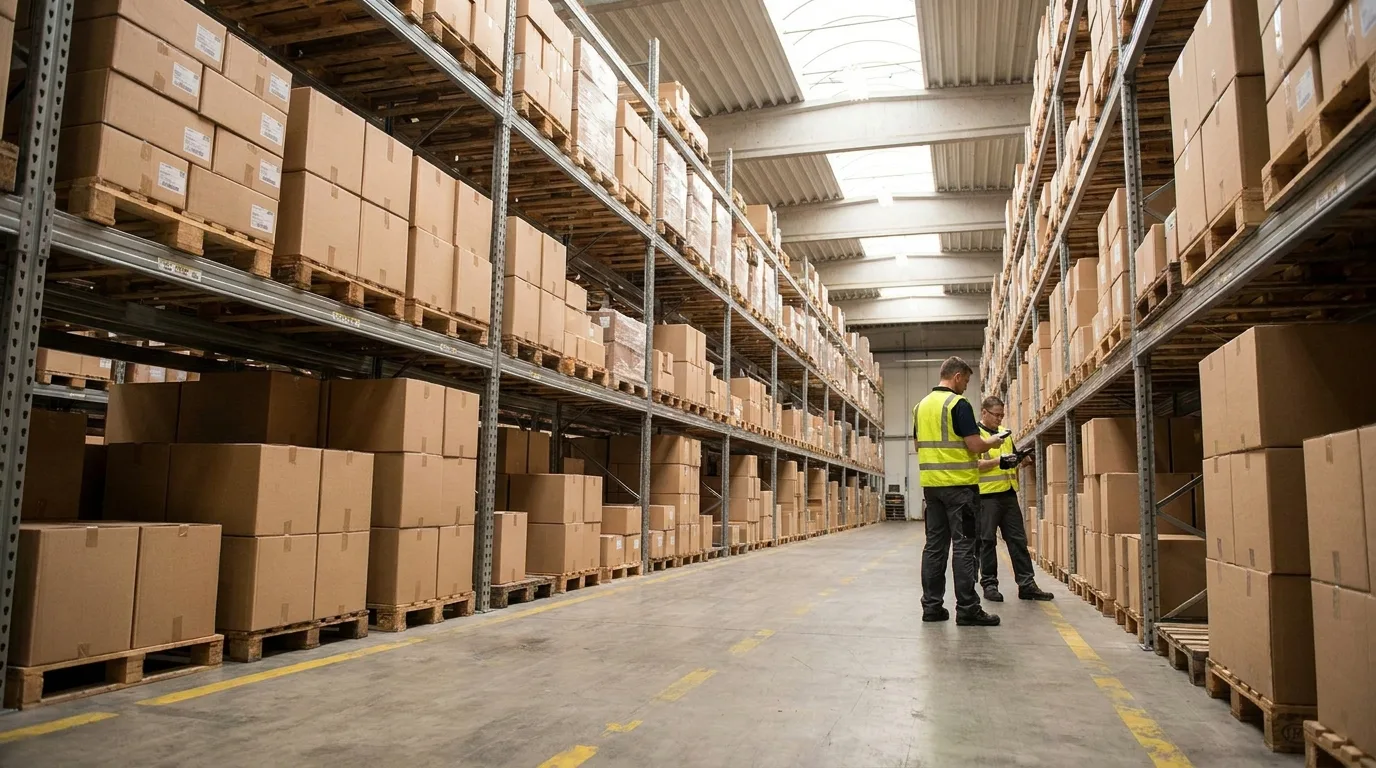
How globalization is measured
No single number captures all seven dimensions, so researchers combine indicators:
- Trade openness: exports plus imports as a share of GDP (World Bank, WTO).
- FDI flows and stocks: cross-border investment (UNCTAD).
- Migration and remittances: migrant stock and money sent home (UN, World Bank).
- Composite indexes: the KOF Globalisation Index from ETH Zurich scores countries on economic, social and political globalization.
The pros and cons of globalization
Supporters and critics often read the same evidence in different ways. The table sets out the common claims on each side.
| Area | Argument for | Argument against |
|---|---|---|
| Growth | Specialization by comparative advantage, an idea going back to David Ricardo in 1817, raises output and supports economic growth | Gains are uneven across regions and can take years to reach displaced workers |
| Poverty | Export-led growth in East Asia coincided with a steep fall in extreme poverty | Some regions were left behind, and inequality within countries rose in several places |
| Consumers | Lower prices and more choice | Cheap imports can hide labor and environmental harm |
| Jobs | New jobs in exporting industries | Factory job losses concentrated in specific US towns, the “China shock” documented by David Autor and coauthors |
| Stability | Diversified markets spread risk | Financial contagion and fragile supply chains |
| Sovereignty | Shared rules restrain protectionism and conflict | Governments lose policy space to international bodies |
Competing views
Four broad positions run through the policy debate. Each is summarized here as its own supporters would put it.
The liberal free-trade view
Economists such as Jagdish Bhagwati, author of *In Defense of Globalization* (2004), argue that open trade and investment have lifted living standards more than any alternative on offer. On this view, the right answer to job losses is domestic policy, such as retraining, wage insurance and a safety net, not new trade barriers.
The reform critique
Joseph Stiglitz, in *Globalization and Its Discontents* (2002), accepts that globalization can raise incomes. His complaint is that institutions like the IMF pushed rapid financial liberalization on poorer countries too early. Dani Rodrik’s “globalization paradox” (2011) holds that a country cannot fully have deep economic integration, national sovereignty and democratic politics at the same time; it must trade off one of the three.
The national and conservative critique
A third group stresses community, domestic industry and security. It argues that dependence on rival powers for critical goods, from medicines to chips, is a strategic risk, and that trade agreements should serve citizens first. Supporters favor tariffs, industrial policy or “friend-shoring” with allies.
The labor and environmental critique
Unions, development NGOs and environmental groups argue that competition between the economies of the world can push down labor and environmental standards. They want enforceable standards written into trade agreements.
Common questions
When did globalization start?
Some historians point to 1492 or even earlier, while many economists date the first modern wave to roughly 1870 to 1914 and the second to the period after 1945.
Is globalization ending?
The evidence is mixed. Trade relative to world output has plateaued since 2008, and tariffs and export controls have risen. Yet trade in services and data flows keep expanding. “Fragmentation” or “regionalization” may describe the trend better than reversal.
What is the difference between globalization and internationalization?
Internationalization usually means more exchange between separate national systems. Globalization implies deeper integration, where firms and rules operate across borders as one connected global economy.
Is globalization good or bad?
Surveys of economists show broad agreement that globalization has raised average incomes. The open question is distribution: who gains, who loses, and what policy should do for those who lose.
Sources
- World Bank: Trade (% of GDP)
- UNCTAD: World Investment Report
- WTO: What is the WTO?
- Peterson Institute for International Economics: What Is Globalization?
- Theodore Levitt, "The Globalization of Markets", Harvard Business Review (1983)
- Jagdish Bhagwati, In Defense of Globalization (Oxford University Press, 2004)
- Joseph E. Stiglitz, Globalization and Its Discontents (W. W. Norton, 2002)
- Dani Rodrik, The Globalization Paradox (W. W. Norton, 2011)